Bicun Site
Introduction
The Bicun site is a significant archaeological site located in Xingxian county, Shanxi province. It spans approximately 750,000 square meters and dates back to the late Longshan period, from 2,200 BC to 1,700 BC. The site presents an invaluable glimpse into prehistoric urban planning and defense mechanisms, reflecting the cultural and architectural advancements of early civilizations along the Yellow River. The site is renowned for its well-preserved city gate structures and has been recognized as one of China's top 10 archaeological discoveries in 2022 by the National Cultural Heritage Administration.
Historical Background
The Bicun site's history traces back to the Longshan period, approximately 4,200 to 3,800 years ago. During this era, it functioned as a regional center with a strong military fortification system that safeguarded the settlement. The site's strategic location at the confluence of the Yufen River and the Yellow River highlights its importance as a gateway city controlling the crucial waterways of the region. Over time, the Bicun site witnessed a transition from prosperity to decline, illustrating the dynamic changes in settlement patterns and cultural interactions during the late Neolithic period in North China.
Archaeological Discoveries
Excavation Process
From 2015 to 2018, the Shanxi Provincial Institute of Archaeology conducted comprehensive excavations at the core area of the Bicun site, unearthing the stone masonry complex at the Xiaoyuliang site. Subsequent excavations from 2020 to 2022 focused on the outer city gates of the stone city settlement, revealing the double-walled defense systems. These systematic excavations have provided a detailed understanding of the site's structure and layout, highlighting the technological and organizational capabilities of its builders.
Significant Artifacts
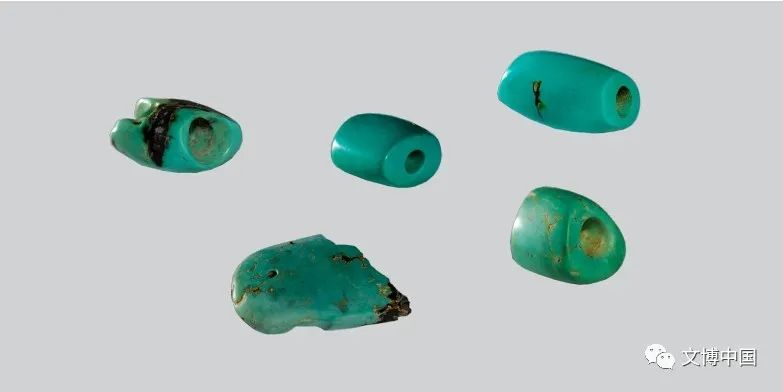
The Bicun site has yielded a wealth of artifacts, including pottery, bone ware, jade and stone ware, which offer insights into the daily lives and cultural practices of its inhabitants. Notably, the East City Gate is a remarkably preserved structure, showcasing an intricate and robust design that is considered one of the most sophisticated prehistoric city gate systems discovered in China. This discovery is crucial for reconstructing the urban defensive strategies and architectural styles of prehistoric China.
Cultural Significance
The Bicun site is an essential resource for understanding the cultural exchanges and interactions that occurred in ancient North China. Its sophisticated city planning and defense systems highlight the mingling of various cultures and the evolution of complex societies during the Longshan period. The site's strategic location and architectural features underscore its role as a significant cultural and military hub, offering vital clues about the social, economic, and political dynamics of the time.
Preservation Efforts
Efforts to preserve the Bicun site have been undertaken by various archaeological and cultural heritage organizations, ensuring the protection of its invaluable historical and cultural assets. These efforts include ongoing research, conservation of unearthed artifacts, and the development of educational programs to raise public awareness about the site's significance. The recognition of the Bicun site as one of China's top archaeological discoveries further emphasizes the need for continued preservation and study.








